

What Is an Automotive Diagnostic Scanner and How Does It Work?

What Is an Automotive Diagnostic Scanner and How Does It Work?
Modern vehicles use electronic control units (ECUs) to monitor and control many important systems, including the engine, transmission, ABS, airbags, and other vehicle functions. When a problem occurs, a diagnostic scanner can help identify the source of the issue.
What Is an Automotive Diagnostic Scanner?
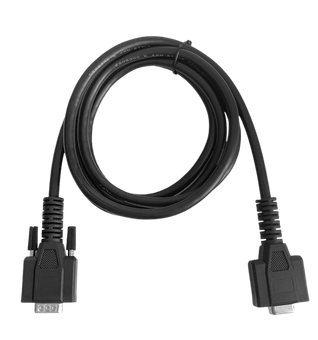
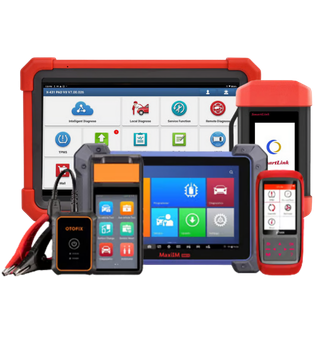
An automotive diagnostic scanner is an electronic device used to communicate with a vehicle's electronic control systems. It connects through the vehicle's diagnostic port, commonly known as the OBD2 port, and retrieves information from the vehicle's ECUs.
Depending on the scanner and vehicle, it may read diagnostic trouble codes (DTCs), display live data, clear fault codes, perform system tests, and support advanced diagnostic functions.
How Does a Diagnostic Scanner Work?
The basic process is simple:
- Connect the diagnostic scanner to the vehicle's diagnostic port.
- Turn on the vehicle's ignition.
- Select the vehicle manufacturer and model.
- The scanner communicates with the vehicle's electronic control units.
- The scanner reads available fault codes and vehicle data.
- The technician analyzes the information to identify the possible cause of the problem.
Some professional diagnostic tools can communicate with multiple control modules rather than only the engine ECU.
What Can a Diagnostic Scanner Do?
Depending on the model, a diagnostic scanner may provide functions such as:
- Read and clear diagnostic trouble codes
- Display live sensor data
- Engine diagnostics
- Transmission diagnostics
- ABS diagnostics
- Airbag/SRS diagnostics
- Battery and charging system checks
- ECU information
- Special functions and service resets
- Bi-directional or active tests
- ECU coding and programming on supported vehicles
The exact functions depend on the diagnostic tool, vehicle, software, and manufacturer.
Why Is a Professional Diagnostic Scanner Important?
Basic code readers are useful for checking simple engine-related fault codes. Professional diagnostic scanners can provide much deeper access to a vehicle's electronic systems.
For automotive workshops and professional technicians, a suitable diagnostic scanner can help reduce diagnostic time and provide more information when troubleshooting complex electronic problems.
Choosing the Right Diagnostic Scanner
Before purchasing a diagnostic scanner, consider:
- Vehicle brands and models you need to support
- 12V or 24V vehicle compatibility
- CAN FD and DoIP support
- ECU coding and programming requirements
- Special functions
- Key and immobilizer functions
- Software coverage and updates
- Technical support
Choosing a scanner based only on the number of functions can sometimes lead to compatibility problems. It is important to check whether the tool supports the specific vehicles and functions required for your work.
Final Thoughts
An automotive diagnostic scanner is an important tool for modern vehicle diagnostics. From reading fault codes and live data to performing advanced diagnostic and programming functions, the right tool can make vehicle troubleshooting more efficient.
If you are looking for an automotive diagnostic scanner, choose a device according to your required vehicle coverage, diagnostic functions, and professional requirements.
Recent Posts
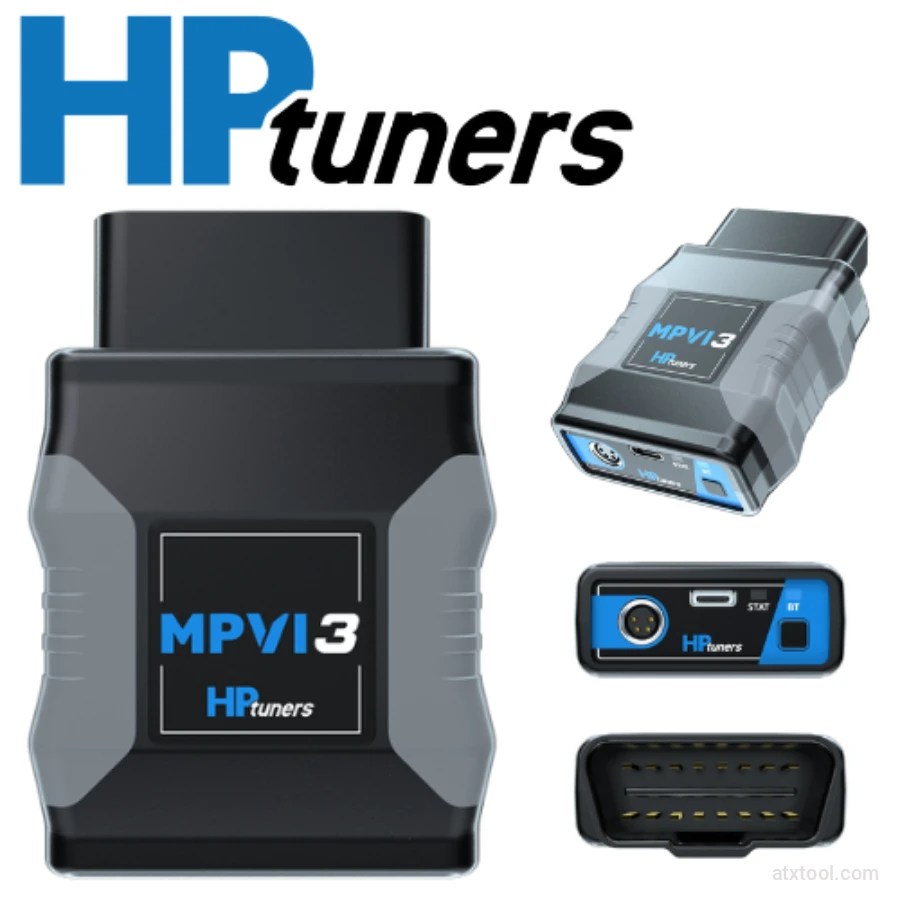
HP Tuners MPVI3 – Complete Guide for Performance Tuning & Diagnostics
Get In Touch With ATXTool